
Choosing a Surgeon · April 21, 2026 · 7 min · By Goldie Strandberg
Board certification: what it really means, and why it matters
Not every doctor performing cosmetic procedures is a board-certified plastic surgeon. The difference matters.
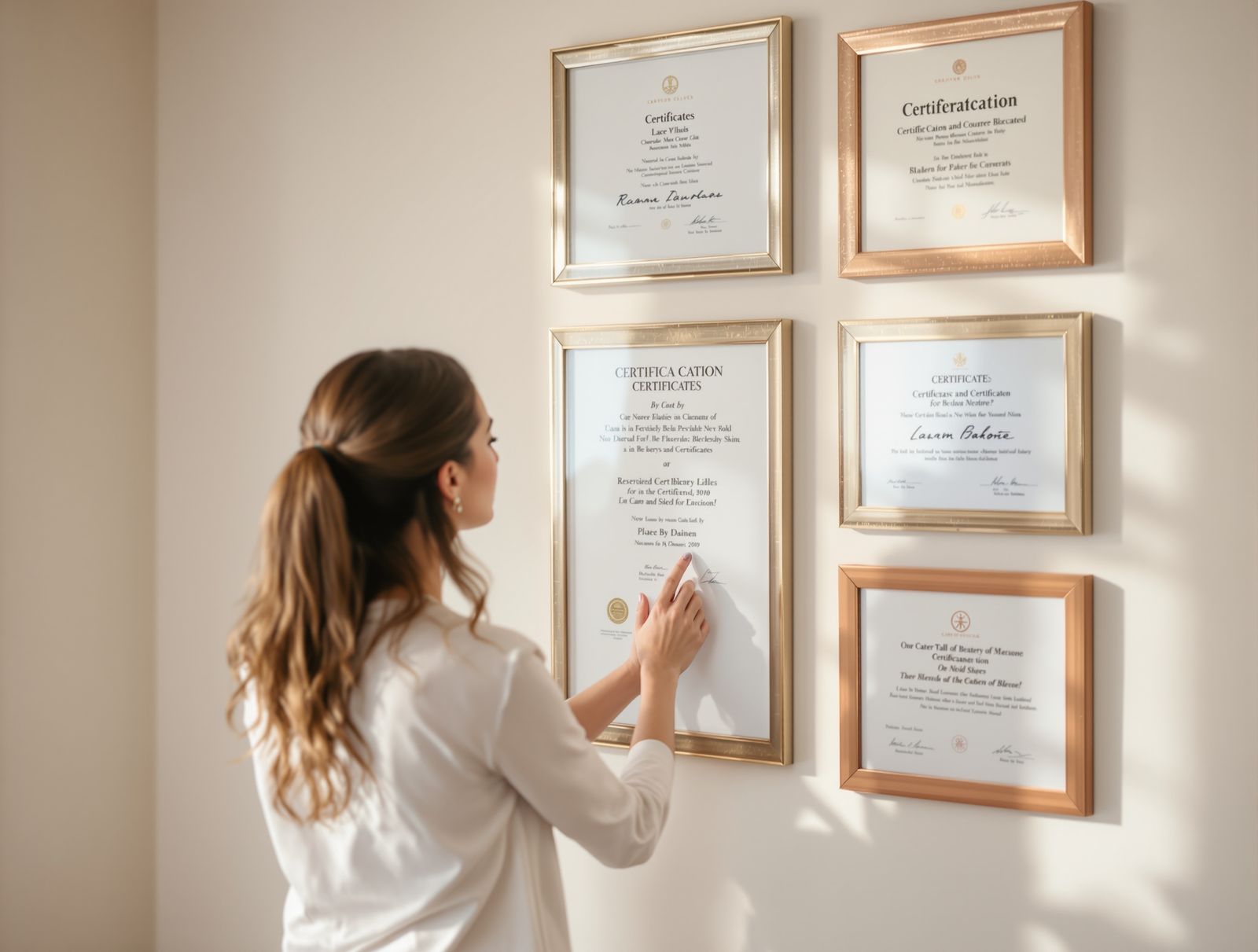
The phrase board-certified gets used loosely in cosmetic medicine, sometimes in ways designed to reassure without actually meaning what patients assume. Understanding what board certification really signifies, and what to verify, is one of the most protective pieces of knowledge a patient can have.
What board certification signifies. Certification by a legitimate medical specialty board means a physician has completed rigorous, specialty-specific residency training, passed demanding examinations, and meets ongoing standards in that field. For plastic surgery, the relevant certification reflects years of dedicated surgical training. It is a meaningful marker of specialty-specific competence, not a mere formality.
The crucial catch: any licensed doctor can perform cosmetic procedures. Here is what surprises many patients: in many places, a licensed physician can legally perform cosmetic procedures regardless of their specialty training. A doctor trained in an unrelated field can advertise cosmetic surgery without being a board-certified plastic surgeon. This is precisely why verifying the specific certification matters, a point we make in how to choose a board-certified plastic surgeon.
Beware vague or invented boards. Because the term carries weight, some practitioners claim certification by official-sounding boards that are not recognized equivalents of legitimate specialty boards. The safeguard is to look for certification in plastic surgery specifically, or for facial procedures, facial plastic surgery, and to verify it independently rather than taking a website's word for it.
How to verify. Certification can be checked independently. The American Board of Medical Specialties operates a public verification resource at certificationmatters.org, where you can confirm whether a physician holds certification and in what specialty. Taking five minutes to verify, rather than assuming, is a simple and powerful step, and a reputable surgeon's credentials will check out.
Why the right specialty matters for your procedure. Specialty-specific training means the surgeon has been rigorously trained in exactly the kind of procedure you are considering, including how to handle its complications. This is part of why experience with your specific procedure, alongside certification, matters so much, a theme that runs through our procedure explainers and our guidance on reading before-and-after photos.
Certification is necessary but not sufficient. Board certification is a baseline, not the whole picture. A certified surgeon should also operate in an accredited facility, perform your specific procedure regularly, communicate honestly in consultation, and show natural results in their gallery. Certification gets a surgeon onto your shortlist; the rest determines whether they belong at the top of it.
The takeaway. Board certification in plastic surgery, or facial plastic surgery for the face, signifies rigorous, specialty-specific training and is a genuine marker of competence, but because any licensed doctor can legally perform cosmetic procedures, verifying the specific certification independently is essential. Treat certification as the non-negotiable baseline, confirm it at certificationmatters.org, and then weigh experience, facility, honesty, and results on top of it.
Related reading: How to read a surgeon's before-and-after photos and how to choose a board-certified plastic surgeon.
Continue reading
Is cosmetic surgery right for you?
Motivation, health, and expectations all factor into a good decision.