
Safety · May 26, 2026 · 6 min · By Hiram Velasquez
Understanding anesthesia in cosmetic surgery
Who administers your anesthesia, and where, is a genuine safety question worth asking.
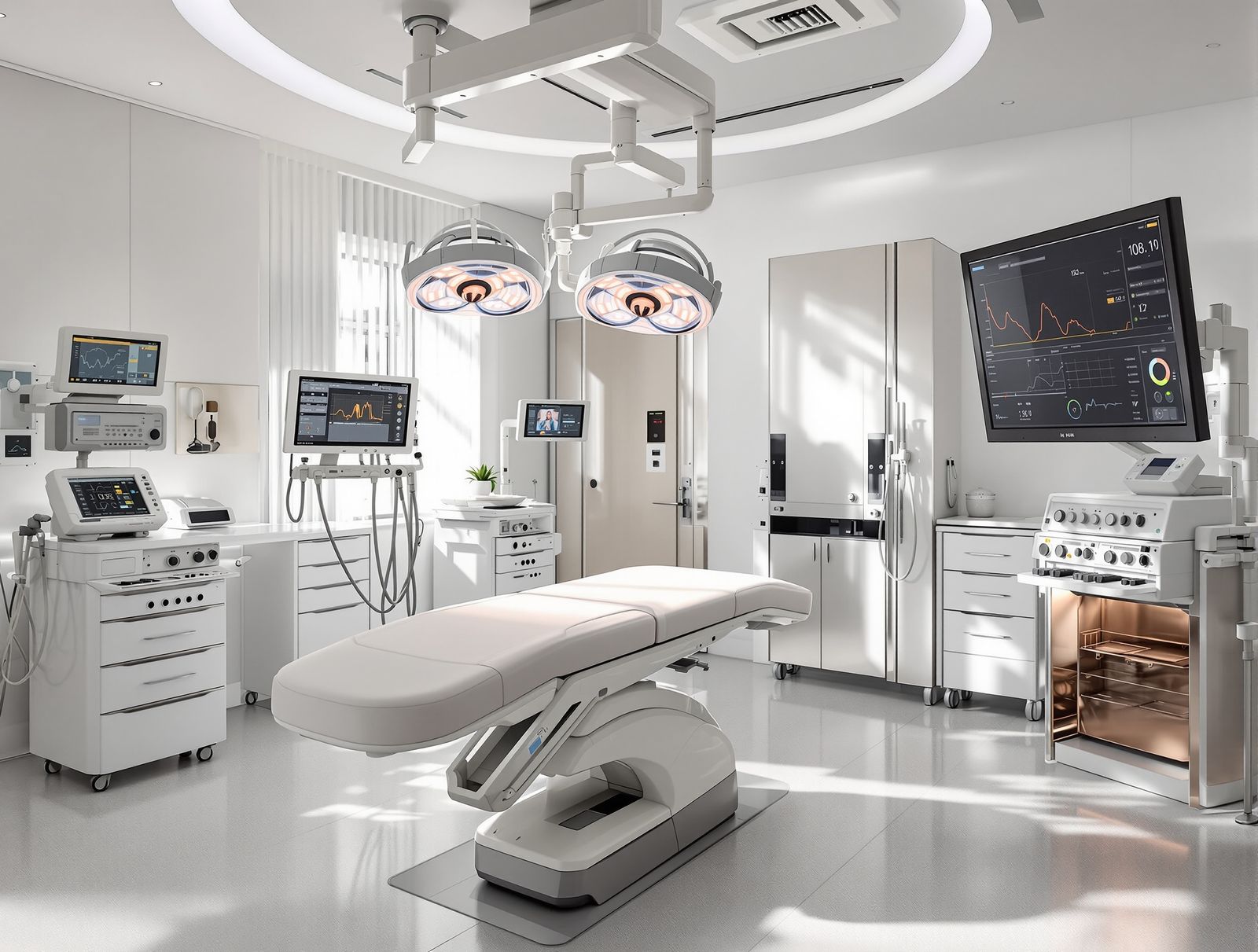
Patients researching cosmetic surgery focus naturally on the surgeon and the procedure, but anesthesia is a major part of the safety picture, and understanding the basics helps you ask the right questions and recognize a responsible practice.
The types of anesthesia. Cosmetic procedures use a range of anesthesia depending on their extent. Local anesthesia numbs a small area for minor procedures. Sedation, often called twilight anesthesia, relaxes you and dulls awareness while you breathe on your own. General anesthesia renders you fully unconscious for larger operations. The American Society of Anesthesiologists provides patient resources explaining these levels and what each involves. The right choice depends on the procedure, your health, and your surgeon's judgment.
Who administers it is the key question. Perhaps the most important safety point is who is providing and monitoring your anesthesia. For anything beyond minor local anesthesia, a dedicated, qualified anesthesia professional, an anesthesiologist or a certified registered nurse anesthetist, should be responsible for it, so the surgeon can focus on operating and someone is continuously watching your vital signs. Asking directly who administers and monitors your anesthesia is entirely appropriate, and a reputable practice answers readily, the kind of question we include in questions everyone should ask before cosmetic surgery.
Where it happens matters too. Anesthesia safety is inseparable from facility safety. An accredited surgical facility has the monitoring equipment, emergency drugs, and trained staff to handle a rare anesthesia complication. This is part of why operating in an unaccredited setting to save money is dangerous, a theme we examine in the real risks of cosmetic surgery tourism. The setting and the anesthesia provider are part of what you are paying for in a legitimate practice.
Your role in anesthesia safety. You can contribute to a safe anesthetic by giving a complete and honest medical history: all medications and supplements, allergies, prior reactions to anesthesia, sleep apnea, and other conditions. Some supplements and medications must be stopped before surgery, and undisclosed conditions raise risk. Following the fasting and preparation instructions precisely is part of this, and a good practice reviews it all in advance.
Modern anesthesia is very safe in the right setting. With qualified providers, proper monitoring, and an accredited facility, anesthesia for cosmetic surgery is generally very safe, and serious complications are rare. The risk rises when corners are cut, the wrong person administers it, monitoring is inadequate, or the patient withholds relevant history. Understanding this lets you recognize and choose the safe version.
The takeaway. Anesthesia is a real and important component of surgical safety, not a background detail. The questions worth asking are what type of anesthesia your procedure requires, who will administer and monitor it, and whether the facility is accredited to handle it. A practice that answers these clearly is demonstrating exactly the safety culture you want.
Related reading: Why surgical facility accreditation matters and the risks and complications worth understanding.
More in Safety
View all →- The time budget: how long your combined procedure plan actually takes
- Clot risk before cosmetic surgery: how to score yourself before the consultation
- Medical Clearance Before Cosmetic Surgery: What Your Primary Care Doctor Is Actually Signing
- Capsular contracture: why breast implants harden, and what can be done