
Procedures · July 4, 2026 · 6 min · By Franklin Soriano
Fat transfer: using your own tissue to restore volume
Fat grafting moves fat from where you have extra to where volume is lost. Here is what survives, what fades, and where it genuinely works.
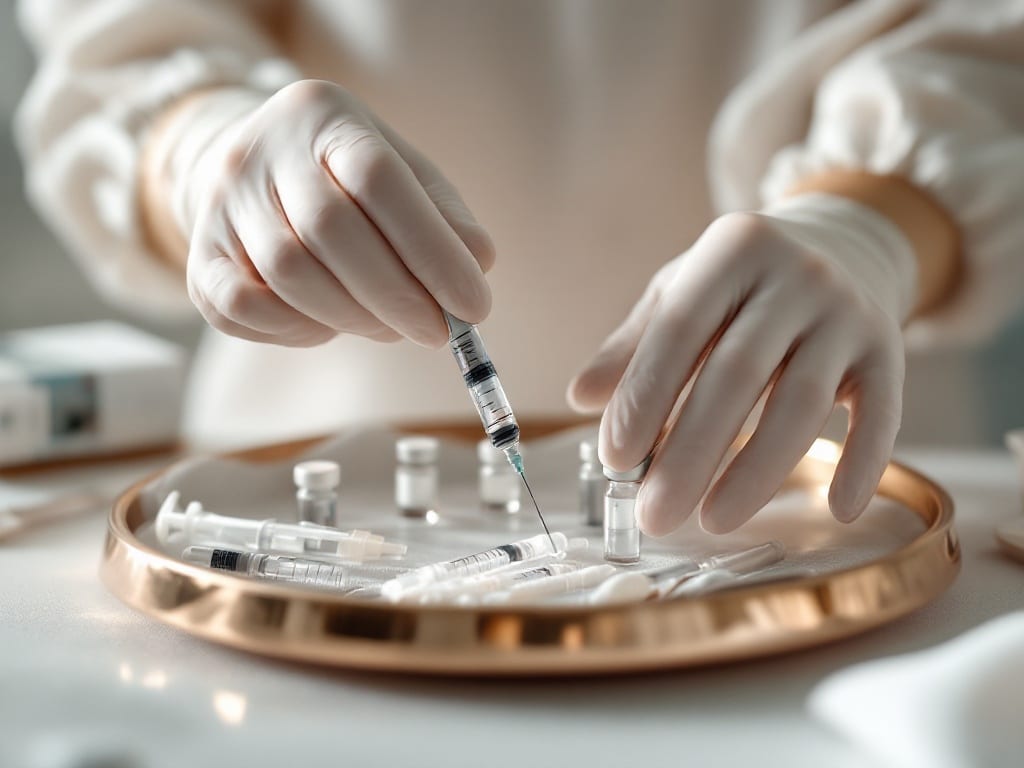
Fat transfer, known formally as autologous fat grafting, has become one of the most versatile tools in plastic surgery: fat is removed from one part of your body, prepared, and injected where volume has been lost. Because the material is your own tissue, it avoids implants and synthetic fillers, but it behaves in ways patients should understand before choosing it.
How the procedure works. Fat transfer happens in three stages. First, fat is harvested, usually from the abdomen, flanks, or thighs, using liposuction technique. Second, the harvested fat is processed to separate healthy fat cells from fluid and debris. Third, the purified fat is injected in small amounts into the area being treated. According to the American Society of Plastic Surgeons, common uses include restoring facial volume, refining breast shape, smoothing contour irregularities, and rejuvenating the backs of the hands.
Not all of the fat survives, and that is normal. The central fact of fat grafting is that transferred fat needs to establish a blood supply in its new location, and some portion of it does not. The fraction that survives varies by patient, by technique, and by the area treated, and surgeons commonly plan for this by injecting slightly more than the final intended volume or by staging more than one session. What survives the first few months is generally lasting, living tissue, but the early result is not the final one, the kind of patience we describe in setting realistic expectations in cosmetic surgery.
Where it works well. In the face, fat can soften hollowed temples, cheeks, and under-eye areas, sometimes alongside a facelift, restoring the volume that aging or weight loss takes away. In the breast, fat grafting can refine shape or modestly increase size without an implant, though the volume change is smaller than augmentation provides. It is also used to improve contour after previous surgery. What it cannot do is produce large, dramatic volume changes in one step; it is a refinement tool, not a substitute for every implant.
Weight changes still apply. Grafted fat remains your fat, and it responds to weight gain and loss like the rest of you. Significant weight fluctuation after grafting can change the result, which is one more reason surgeons prefer patients at a stable weight, the same principle we discuss in weight-loss medications and body contouring.
The safety caveat worth knowing. Fat grafting is generally well tolerated because the material is your own, but technique matters enormously, and one application deserves specific caution: large-volume fat transfer to the buttocks carries risks that have drawn serious attention, which we cover in Brazilian butt lift safety. For any fat transfer, the safeguards are the familiar ones: a board-certified plastic surgeon experienced in the specific procedure, operating in an accredited facility.
The takeaway. Fat transfer uses your own tissue to restore volume naturally, with results that feel and behave like the rest of you, at the cost of some unpredictability in how much fat survives and the possibility of a second session. It excels at facial volume restoration and subtle contour refinement rather than dramatic changes, and it rewards a stable weight and an experienced, board-certified surgeon. Understood as living tissue rather than a filler, it is one of the most natural options in the field.
Related reading: Liposuction, what it can and cannot do and setting realistic expectations in cosmetic surgery.